What Actually Happens When You Build a Corporate Website + Admin Panel?
From needs analysis to post-launch support — a behind-the-scenes look at a website + admin panel project, with two real examples from our own work.
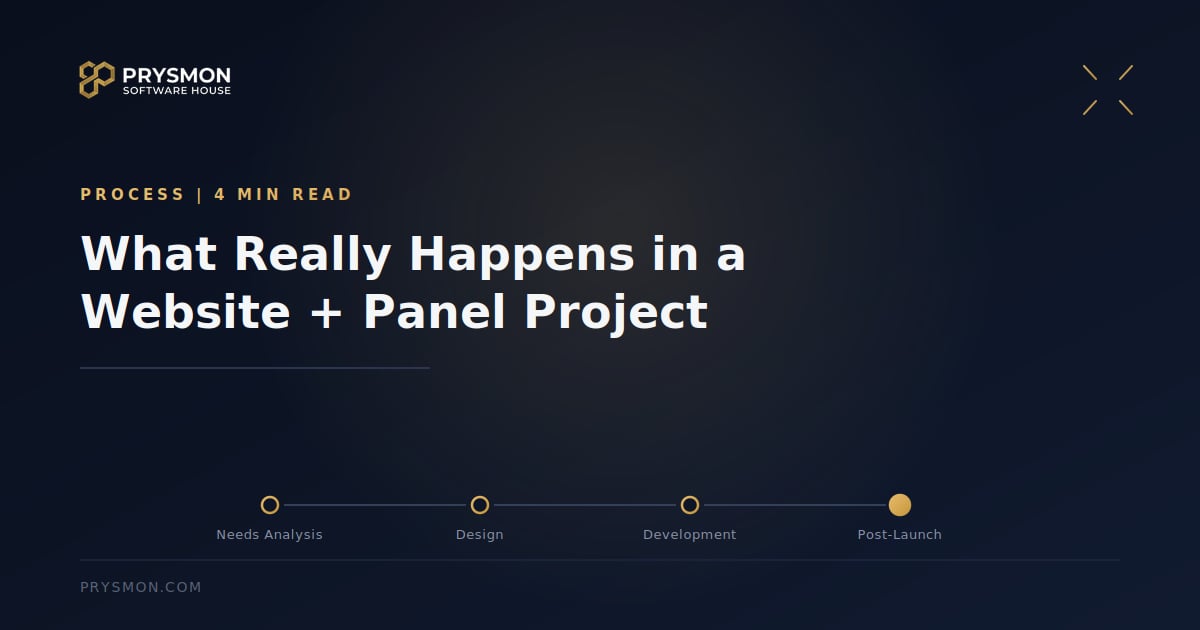
When you decide to move forward with a website or admin panel project, the first question that usually comes to mind is: how does this process actually work, and what should I expect at each stage? From the outside it can look like a simple "get a quote, receive the project" transaction, but the stages in between are what determine the outcome. We wanted to share a few real moments from our own process.
Needs Analysis: Every Business Speaks Its Own Language
The first step in any corporate website + admin panel project is understanding the client's actual needs. Every organization, every business, works differently — even companies doing similar work can have internal processes that differ significantly from one another. Needs analysis is the most essential step before a project begins. Through initial meetings, the client is listened to carefully, all the necessary information is gathered, and only then is a roadmap drawn up. Skip this, and the project runs into trouble — both in terms of timeline and functionality. A need discovered too late often means redoing work that's already been done.
Why Constant Communication During Design Isn't Optional
Once the client's requirements are properly captured, the first step is building a template around them. Designing the website and admin panel requires staying in direct contact with the client at every stage. Any system change or update made after the initial template is finalized should happen with the client's approval. Here's what matters most when building these kinds of websites and admin panels: how easily the end user — the client — can learn and use the system. Even the best-designed system falls short if the person using it finds it confusing.
When a Regulation Changes Mid-Project
I want to share something that happened on one of our projects. Our client wanted to collect suggestions, requests, and complaints through the website, with those submissions forwarded to their corporate email address. We built the system exactly as requested, and the client approved it.
Then a notice came in from the client's legal department: under the regulations they were bound by, complaint forms had to be submitted through a specific panel designated by that regulation. This is where the real work began — our team asked the client where in the site they wanted this legally required update positioned, and implemented it quickly, exactly to their needs. Whether a project is really "done" is also measured by how fast it can adapt to a change like this, coming from outside the original scope.
Who Will Train the Next Person?
On another project, our client wasn't going to use the admin panel themselves — they'd assigned an employee to handle it. After the system was delivered, the client came back with a question: "The system works fine, but if I hire someone new one day, who's going to train them on it?"
It's a question most projects never get asked — but it matters. Our team built a solution: a guide page inside the admin panel itself, walking through exactly how the site works, step by step. It covers what every button does, which section controls which part of the site, and the rules built into the system — guiding any new or unsure user through it on their own. Every time the client requests a new update, our team updates the guide page too, so it grows alongside the system instead of falling out of date.
The Takeaway: What Matters Is Solving for the Variables
Building websites and admin panels for businesses means running into a lot of variables — the laws of the country you're operating in, the user base, the team structure, future growth plans. Not all of it can be foreseen from day one. What matters is being able to respond to those variables quickly and correctly even after delivery, resolving them in a way that keeps the client clear of legal or functional trouble down the road.
If you're thinking about a website or admin panel project of your own, tell us about your project — we'll map out a path built around what you actually need.
Written by the Prysmon Team